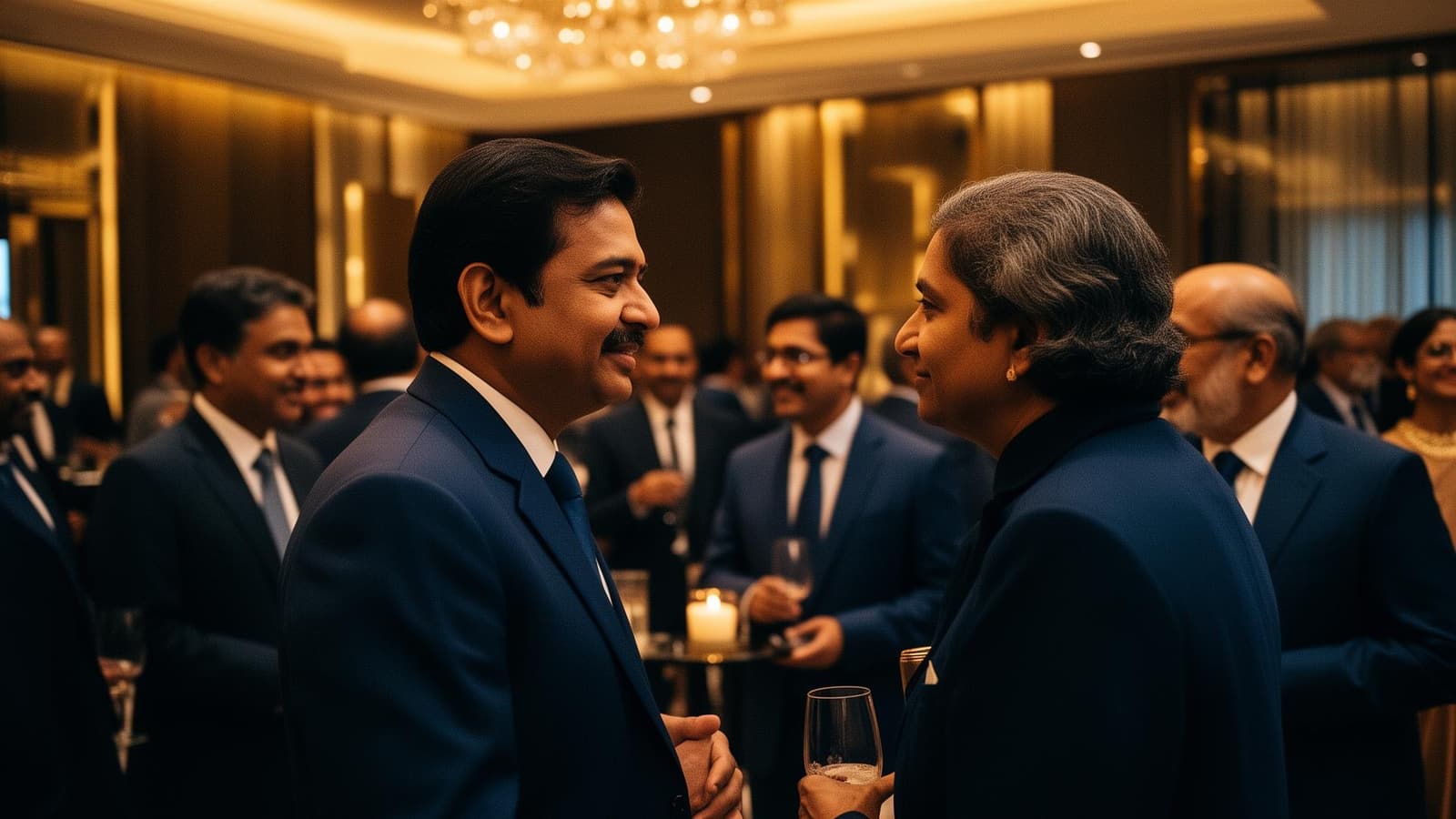
An experiential marketing agency designs real-world experiences where people interact with a brand instead of just seeing an ad: launches, immersive set-ups, activations and small, intimate gatherings. RareAct is an experiential marketing agency in India, headquartered in Pune. We treat every experience as a source of audience insight, and each engagement ends with a debrief and a custom playbook.
Experience marketing works because people remember what they did and felt far better than anything they were shown. The catch is that a beautiful experience with no learning behind it is just an expensive afternoon. Here's what an experiential marketing company does, when it makes sense, and how we run it.
What is an experiential marketing agency?
It's an agency that plans, designs and produces brand experiences people can take part in, whether they're consumers, customers, partners or employees.
The work begins with strategy, meaning what the audience should feel, believe or do afterwards. Then comes the concept and storytelling, the idea that turns a message into something people step into. Experience and set design shapes the spaces, installations, interactions and flow. Production covers fabrication, technology, sound, light and content, and on-ground execution covers staff, operations and guest handling. Finally there's measurement: how did people actually respond?
Photos matter less than you'd think. The better experiential marketing companies get judged on what the audience did once they were inside.
How is experiential marketing different from advertising and events?
| Advertising | A typical event | Experiential marketing | |
|---|---|---|---|
| Audience role | Watches | Attends | Takes part |
| Main goal | Reach and frequency | Hosting a gathering | A felt connection with the brand |
| What you learn | Views, clicks | Attendance | Behaviour, dialogue, response |
Experiential work overlaps with brand activation and BTL activation. The difference is emphasis. Experiential starts from the experience the audience will have and builds the campaign around that.
What formats does experience marketing include?
The most familiar is the product or brand launch built around a reveal people take part in (see product launch events). There are immersive installations and pop-ups at retail, mall, campus or corporate locations, and brand activations with set design and audience response analysis.
Then there's the quieter end. Relationship-led events include founder dinners, partner offsites and small gatherings for high-value customers. B2B experiences are built for clients, dealers and channel partners. And internal brand experiences help employees live a new brand or strategy rather than just hear about it at a town hall.
Who should hire an experiential marketing company?
Brands that need depth more than reach. D2C and consumer brands often need trial, sampling or simply a reason for people to talk. IT, BFSI and B2B companies sell to buyers who respond to conversations, not banners. Pharma and healthcare teams have to engage professional audiences within strict codes of conduct, which rules out a lot of the flashier ideas. Select luxury brands care about intimacy and detail far more than footfall.
We build industry-specific designs for IT, Pharma & Healthcare, BFSI, D2C & Consumer and select luxury.
How we run an experiential marketing programme
Our method is the Engagement Intelligence Loop. We listen first, mapping the audience's motivations, dynamics and unspoken expectations before designing anything. We design by choreographing every minute for emotion, dialogue and interaction. We execute with cinematic production and calm, invisible operations on the day. We observe how people actually behave, because the room is data. And we compound, turning each engagement into a private intelligence layer, a playbook for your brand.
That's the thinking behind our line: "We don't run events. We build relationship systems that learn."
What do you get from an experiential marketing engagement?
Your brief sets the scope. Every engagement includes audience discovery in the Listen stage, experience and set design, production and on-the-day operations, audience response analysis during the experience, and a closing debrief and custom playbook covering audience behaviour, what worked and what to repeat.
How do you measure experiential marketing?
Experiential results show up in behaviour, so headcount on its own tells you very little. These are the signals we'd look at:
| Signal | What it tells you |
|---|---|
| Participation | How many people engaged rather than walked past |
| Depth | Dwell time, repeat visits and questions asked |
| Conversation | What people said on the spot and afterwards |
| Action | Sign-ups, trials, meetings booked or leads qualified |
| Fit | Whether the audience who engaged is the audience you wanted |
Agree these at the briefing stage. That way the experience is designed to produce them and the debrief can report against them, instead of everyone squinting at a footfall number afterwards.
What drives the cost of experiential marketing?
Costs depend on the number of locations and days, how much set design and fabrication you need, technology such as interactive screens, staffing, permissions and venue fees, and how much lead time there is. Budget against the outcome you want, not the size of the set. A smaller experience designed tightly around the audience often does better than a bigger one that isn't. We'd take a well-staffed small booth over a giant set with nobody to talk to visitors.
How do you brief an experiential marketing agency?
Tell us the objective, the audience you want to reach, locations and dates, brand assets and guidelines, any past activations and what you learnt from them, and an indicative budget. Then reach Mohit Mishra at mohit@rareact.in or +91 77750 88669 (call or WhatsApp), or use the contact page.
Why do the debrief and playbook matter?
Most experiential campaigns end when the set is struck, and the learning leaves with the crew. Our debrief and playbook hold on to it: who engaged, which moments held attention, what fell flat and what to repeat. Across several campaigns, that builds into a private intelligence layer about your audience that no competitor has.
If you're planning an experience with us
RareAct is a Pune-based corporate event management and experiential marketing agency. We deliver across India and at select international destinations. We listen to the audience before we design, choreograph every minute for emotion and interaction, and run production with calm, invisible operations. Because the room is data, we watch how people behave and capture it in a debrief and custom playbook. Have a look at brand activation, or start a conversation.
FAQs
What does an experiential marketing agency do?
It designs and produces real-world brand experiences that audiences take part in, from launches and immersive set-ups to activations and intimate gatherings. The goal is a felt connection with the brand and a measurable change in what people do next.
Is experiential marketing the same as brand activation?
They overlap. Brand activation is usually a campaign moment that brings a brand to life for an audience, while experiential marketing is the wider discipline of designing experiences people take part in. We offer both, and the formats often combine.
Does RareAct work only in Pune?
No. We're headquartered in Pune and deliver across India, including Mumbai and Bengaluru, and at select international destinations.
How do you measure the success of experiential marketing?
Agree behavioural signals up front, such as participation, dwell time, conversations, sign-ups or meetings booked, and design the experience to produce them. We observe audience behaviour during the experience and report it in the debrief.
What industries does RareAct design experiences for?
We build industry-specific designs for IT, Pharma & Healthcare, BFSI, D2C & Consumer and select luxury brands. Each sector has different audiences, rules and expectations, and the Listen stage maps those first.
What is the Engagement Intelligence Loop?
It's our five-step method: Listen, Design, Execute, Observe and Compound. It keeps every experience designed around the audience, and it turns what we learn into a reusable playbook for the brand.